Movement that Heals: Installed Sessions for Somatic Policy
Some people concern the barn intending to ride. Others arrive due to the fact that they can not sit through a day at institution, or their breast really feels limited by 8 a.m., or the world seems like it is shouting. When they swing a leg over a silent, constant steed and the stroll begins, their breath modifications. Shoulders drop. The body listens to a rhythm older than language. This is where mounted sessions for somatic law live, in the simple and extensive discussion in between a human nerves and a relocating horse.
What we mean by somatic guideline on horseback
Somatic law explains how the body adjusts itself back towards steadier states. It is not a trick of the mind. It is the method joints straighten when the hips adheres to a rolling stride, the method the diaphragm frees up when the upper body rises and falls in time with a walk. On a steed, that input is constant, three dimensional, and mercifully nonverbal. You do not have to discuss your morning. The horse lugs you, and your body learns.
Mounted job sits within a broad area referred to as equine-assisted services. Programs utilize various terms depending upon their extent and credentials. Restorative horsemanship often describes placed and unmounted skills educated by teachers with specialized training in handicap assistance. Some centers run an autism equine learning program focused on communication and sensory pacing. Others turn towards equine-facilitated health or equine-assisted coaching, which can consist of management development, partnership abilities, or stress and anxiety support with steeds for teens and adults. Not every facility does every little thing, and not every person must be mounted right now. What they share is an idea in experiential knowing with equines as a course to nerve system health.
Why motion matters more than talk when the body is overloaded
I have coached people that might state calming rules without altering their heart price. Their necks still supported. Their jaws still clicked. Nervous systems respond best to input that really feels risk-free, balanced, and predictable. A steed's walk, at a loosened up rate, provides hundreds of micro modifications per min to the biker's hips, spine, and shoulders. If you have viewed a child https://www.hhooves.com/corporate-team-workshops being rocked to rest, you have seen the same principle at work.
There is likewise heat. Horses are large animals with strong circulation, and bikers really feel that via the saddle. For a person that runs cold when anxious or closed down, that consistent warm can be grounding. The perspective shift helps too. A youngster scanning every corner of a class for dangers sees the globe differently from the back of a steed. Elevation adjustments vantage, and vantage modifications stories.
Somatic healing with horses is not magical. It is timing, call, equilibrium, and trust fund, repeated enough times that the body begins to expect ease.
The equine as co‑regulator, not a tool
The best equines for this job were not born with special halos. They correspond, interested, and sincere. They also have clear boundaries. A steed that endures every little thing without opinion is not safe over the long run. A truly therapeutic companion reviews human beings swiftly and gives readable responses. If a rider tenses, the steed slows down or changes an ear back, and when the cyclist takes a breath, the steed softens in return. That loophole, frequently called co‑regulation, is the entire point.
In practice, we established an equine and human up for success. Surface is chosen for ground and flow. The tack fits both steed and cyclist. A teacher or therapist screens micro signs: a flicking tail can signal flies or disappointment, a dropped ribcage on the cyclist's side can recommend fatigue, and a hand sneaking towards the hair might imply the person is searching for call. Tiny adjustments, like extending the reins by an opening or changing stirrup size by half an inch, can make a nerve system say yes.
Who tends to benefit, and where placed job shines
Mounted sessions help youngsters and grownups that need structured, balanced input to locate regulation. This includes many people with ADHD, sensory handling distinctions, stress and anxiety, anxiety, distressing anxiety histories, and learning difficulties. ADHD equine learning assistance makes use of riding patterns to practice initiation, sequencing, and inhibition. As an example, a figure eight at the stroll, called out by the motorcyclist, exercises working memory and motor preparation without the grind of a worksheet.
In an autism equine finding out program, placed time might come after a period of grooming or resulting in allow stimulation levels to drop. The purpose is not to make eye call on command yet to invite spontaneous social proposals. I have actually seen nonverbal motorcyclists pat their equine's shoulder after getting down, entirely unprompted. It counted for more than any kind of forced hello.
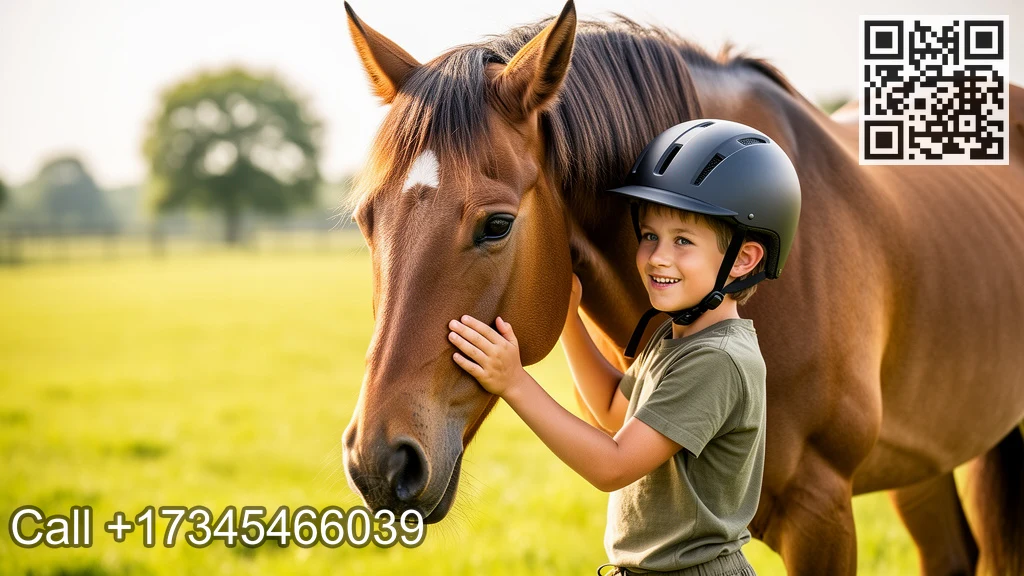
People managing persistent discomfort in some cases report a completing sensation throughout the trip that soothes their common pain cycle. Veterans with hypervigilance learn they can stay alert without remaining braced. Parents have told me they see more adaptability after a half an hour stroll on a horse than after a day of lectures. To be clear, mounted job does not replace healthcare or psychiatric therapy. It enhances them, commonly as part of equine-assisted activities and more comprehensive equine-assisted services.
Safety, ethics, and genuine constraints
If you keep in mind absolutely nothing else, remember this: mounted sessions just work when they are safe for the motorcyclist and kind for the horse. Weight restrictions vary based on the private equine, saddle, surface, and session duration. A common guideline is to maintain the complete load within a risk-free percent of the equine's capacity, and a well‑run program will have clear plans. A barn with a solitary saintly gelding doing 8 sessions a day is not lasting. Equines need rest, yield, excellent feet, and time to be horses.
Helmets are nonnegotiable. So is informed approval. Some riders need side walkers and a leader. Others ride independently. If a horse pins its ears each time a specific exercise starts, we transform the exercise. If an individual's behavior endangers the horse or crew, we stop and reset. There are likewise clinical contraindications. Extreme uncontrolled seizures, fragile bone conditions, or current spinal fusions may eliminate placed job till a doctor clears it. Hatreds hay or pet dander might press a family towards exterior sessions or unmounted alternatives.
The most moral teams talk freely concerning trade-offs. As an example, bareback pads can improve sensory input yet rise shear forces on a steed's back if used carelessly. A western saddle can supply safety and security for a brand-new biker but decrease the chance to feel subtle pelvic activity. We pick based upon goals, type of body, and the horse we have in front of us.
What a placed session in fact looks like
People frequently ask, what do you do up there besides enter circles? The response changes with everyone, but certain patterns repeat because the body likes them.
Warm up usually suggests strolling on a lengthy rein to let the motorcyclist and equine work out right into each various other's rhythm. I could request for breath counts, like breathing out for the size of 3 fencing panels. We add directional changes: huge loopholes that extend the back, superficial serpentines that require gentle side flexion with the cyclist's midsection. Sometimes we stop completely and really feel the persuade of the steed breathing, simply to reset.
Tasks follow. A cyclist that deals with sequencing, for example, may be asked to call out gate numbers as they pass or to touch left knee to right hand in time with a corner. A teen with anxiousness may practice lengthening and reducing stride with a cone line utilizing just breath and seat, with hands on a neck band for stability. We rarely trot in very early sessions focused on policy because the walk already provides a lot of input. Speed can hide problems. Slow-moving work reveals them so we can build actual capacity.
Cool down is not complicated. We let the walk extend once again. Motorcyclists slide their legs without the stirrups. The system that arrived in battle or flight usually goes home closer to rest and digest.
A fast readiness checkpoint for installed work
- Can the participant rest with midline security enough to safeguard their back over a rolling gait?
- Is there a strategy, concurred by caretakers and specialists, for medical considerations like seizures or orthopedic history?
- Does the individual tolerate a helmet and standard safety gear for 30 to 45 minutes?
- Is the steed ideal in size, personality, and training for this biker's needs?
- Are there enough qualified hands available that day if aid on the ground is needed?
If the response to any one of these is no, we do not require it. We do groundwork, we develop trust fund, and we attempt placed again later if it comes to be the appropriate fit.
A situation story, two ways
T., age 9, came for stress and anxiety support with equines. Morning changes were a fight. At the barn, T. Began on a kind mare named Lolly. The very first adventures were short, 15 mins of strolling with a leader and one side pedestrian while T. Practiced naming what he felt under each seat bone. When he failed to remember to take a breath, Lolly's stroll got uneven. He saw, laughed, and attempted again. After six weeks, we included a straightforward pattern: stroll to the red cone, stop, count to three, transform right, take a breath. The predictability mattered. T.'s instructor reported he was sitting through morning meeting without leaving his chair by the end of the term. The steed did not treat anxiousness. The equine provided T. Enough regulation to use the coping techniques he currently knew.
M., age 32, looked for mentoring after burnout at work. She did not desire therapy, she desired her confidence back. We selected a rangy gelding with a huge, turning stroll. Her job was to request for ahead with her seat, not press with her heels, and to practice receiving his power without tensing. That is management in a body. Over four months, M. Took those sessions right into her task meetings. She said she quit apologizing before each sentence. That is equine-facilitated training in easy terms. The mounted work offered her a place to feel quality without debate.
What the research study states, and where we must be cautious
Small research studies have discovered signals worth taking notice of in equine-assisted services. Some show reductions in self‑reported anxiousness after sessions. Others recommend enhancements in balance and core stamina for certain diagnoses. A couple of heart price variability studies hint that people approach a lot more parasympathetic tone throughout and after installed work, which tracks with what lots of trainers observe.
The proof base is still growing. Taste sizes are typically small. Methods differ widely in between programs labeled with the same terms. Not every advantage lasts without recurring method. It is right to be careful concerning claiming remedies. It is likewise fair to pay attention to lived experience. When a teenager that has not slept through a night in months naps in the backseat heading home from the barn, something occurred worth noticing.
Choosing the appropriate program for you or your child
Credentials inform component of the story. Look for trainers licensed in restorative horsemanship and programs that run within established safety criteria. Ask exactly how they screen equines for personality and stability. Observe a session before dedicating. The barn should seem like an understanding space, not a circus ride.
Match the solution to your goals. If you desire concrete ability exercise with executive function covered into riding lessons, equine-assisted tasks could fit. If your objectives are relational and emotional, look for equine-facilitated wellness or equine-assisted training. Some facilities integrate licensed mental health and wellness experts into installed sessions. Others focus on skill structure with a solid law part and refer out for counseling. Neither is right for everybody. The most effective sign is whether the group pays attention and adapts.
Be interested regarding logistics. The amount of motorcyclists per horse daily. How long the sessions run. Whether there is a prepare for heat, cold, or rain. Steeds and human beings do not find out well when everyone is rushed or miserable. Sensory environments matter too. Some barns hum with sound. Others maintain the aisle peaceful throughout lessons. If you are looking for an Alternate therapy for sensory difficulties, those environmental options matter.
What a first visit typically includes
Most facilities begin with a conversation on the ground. We collect background: what assists and what hurts, what institution or work has tried, what the family wants to see. Then we satisfy steeds. If installed job is proper, we fit a headgear and attempt a short adventure. The very first session is not the moment for feats of equilibrium. It is a time to discover an equine's rhythm and see how the body reacts once feet touch the ground again.
Here is an easy flow several programs use for a 45 to 60 min installed session targeted at regulation:
- Arrival and check‑in, consisting of a fast body check and objectives stated in plain language.
- Grooming or leading for 10 to 15 minutes to resolve arousal and build rapport.
- Mounting with a ramp or block, headgear check, and a slow-moving walk to find rhythm.
- One or more concentrated patterns matched to the day's goals, maintained short enough to succeed.
- Cool down, dismount, and a quick reflection that records one felt sense to take home.
The representation item is tiny and effective. A rider could state, my shoulders fell a little when we turned left, or I felt consistent when I looked at the trees. That supports the experience for later.
Beyond therapy centers: understanding and leadership on horseback
Mounted work for regulation is useful outside professional settings. Company groups occasionally attempt team structure with equines, and while much of that work is unmounted, I have actually sometimes placed an unwilling leader for a 5 minute walk to feel what collaboration calls for. The steed will not move because you lug a title. He relocates when your body is congruent.
For teenagers who roll their eyes at lectures, experiential understanding with steeds provides fast comments without embarassment. If you pull on the reins and press with your legs at the same time, the horse thinks twice. Mixed signals in, mixed outcomes out. That lesson lands.
Equine-facilitated coaching frequently utilizes placed exercises to check out limit setting, pacing, and follow‑through. A canter leave may not be on the agenda, but requesting a longer stroll without breaking down pose is. Leadership rarely looks like more rate. It resembles quality at a bearable pace.
Practical suggestions for households and participants
Dress for the barn. Long trousers decrease massages. Closed‑toe footwear protect toes from a mistake. Layers let you adapt since fields are windier than living rooms. Eat a treat beforehand. Starving motorcyclists are weak riders.
Build resistance in little increments. If a rider melts down after 20 minutes, plan for 15 following time. Celebrate simple wins. The first time a youngster loosens their hands and adheres to a horse's neck with their arm joints is a larger success than depending on a steed like a circus act. Leave 5 minutes for silent bye-byes to the equine. That routine solidifies trust.
Expect plateaus. Bodies find out in stairway steps, not smooth curves. A week with large development sometimes causes a week that really feels flat. Keep the routine. The nerves is constructing capability even when it does not show.
Cost, gain access to, and making it sustainable
Prices vary widely by region, credentials, and facility prices. Some facilities operate as nonprofits and fund rides with fundraising. Others are private pay. Moving scales exist, but waitlists can be actual. Insurance policy coverage is irregular. It aids to ask whether a program can incorporate goals from an institution strategy or treatment strategy, which can often open funding streams.
Horses are pricey partners. Feed, farrier, veterinary treatment, and personnel training are not optional. If a center's rates appear high, consider what it takes to do this right. Also consider your traveling time, due to the fact that anxiety in the automobile can undo gains from an adventure. Families who drive 90 mins often take advantage of organizing sessions in blocks or integrating installed deal with telehealth assistance to sustain gains between barn days.
When mounted work is not the ideal fit
Not every situation asks for riding. Some individuals are frightened of elevation. Forcing the problem instructs the body that we neglect its wisdom. Others have medical limitations that make ground function the honest option. I have actually had young adults who got here intent on trotting and left happy with having found out to request for a soft halt from the ground. Law is the goal, not a particular picture.
Medication modifications can also turn the image. If a new prescription affects balance or heat resistance, we may stop placed sessions and transition to leading or liberty work till the body clears up. Great programs make these decisions together with families and medical care providers.
How instructors make clinical objectives feel like play
The ideal sessions look like video games. That is by design. We could set out colored posts and ask a biker to select 2 for a course, then ride it breathing out through the turns. Underneath is a strategy: vestibular input, exec function method, and rated direct exposure to mild difficulty. For a young rider conscious responsive input, we could make use of a fleece saddle cover and swap in smooth reins to reduce scratchiness. For a person that yearns for stress, we could add a surcingle handle to permit a firmer, risk-free grip.
We see the little signs. A foot that starts to support on the stirrup may suggest fatigue or concern. A horse that begins to wander to the center could be caretaking a cyclist that is emotionally having a look at. Names matter as well. I stay clear of telling a rider to unwind. I ask them to get curious concerning what really feels heavy or light, and afterwards we adjust the pattern to match that curiosity.
Bringing placed lessons home
Families usually ask how to lug the barn sensation right into life. We translate the ride into hints the body comprehends in your home. If an equine's walk helped a youngster breathe much deeper, we combine bedtime reading with a mild rocking chair. If a young adult found steadiness by concentrating on fencing messages, we practice strolling the canine in between equally spaced mailboxes while counting exhales. For grownups that discovered power in claiming more room in the saddle, we practice that form before a meeting. Not pretending to ride, yet remembering the pose that enabled breath and clarity.
Teachers can assist as well. A youngster that manages well after noontime experiences might take advantage of having much heavier scholastic tasks scheduled for mid-days, and activity breaks that mirror placed rhythm in the morning. Not everyone has access to a barn. Rhythm lives in several places.
Where the field is going
The language around equine-assisted services is progressing. Programs are getting more clear regarding range, and partnerships with physical therapists, psychological health and wellness therapists, and doctors are much more typical. This is healthy. Mounted job belongs in a web of supports, not on an island. Anticipate to see more data in the next five to 10 years, tighter program styles, and better equity of gain access to as community partnerships grow.
At the very same time, a few of the knowledge here will disappoint up neatly in spreadsheets. The way a motorcyclist's face adjustments mid ride when they go down a pattern of protecting, the method a steed licks and chews after a rider lastly discovers a soft seat, these are the trademarks of genuine discovering. They are why individuals maintain coming back.
One last photo from the barn
On a late fall afternoon, I walked beside a little boy on a shaggy horse. He had actually been afraid of nearly every little thing in September. By November he sang to his horse, a peaceful song from institution, and the pony's ears flicked backward and forward as if maintaining time. We stopped at the far end of the ring where the wind was gentler. The child put one hand on his tummy and said, it is warm therein currently. That was the session's only information factor. It was enough.
Mounted sessions for somatic guideline do something functional and human. They take the body seriously. They use the oldest technologies we have, breath and rhythm and link, readied to the constant beat of an equine's walk. Whether your path leads via restorative horsemanship, an autism equine learning program, equine-facilitated wellness, or equine-assisted mentoring, the job coincides at heart. We discover to move with an additional being, and we remember just how to move with ourselves.
Happy Hooves Wellness
9177 Gross Rd, Dexter, MI 48130
+17345466039
https://www.hhooves.com/